A Program for Future Food Systems Leaders
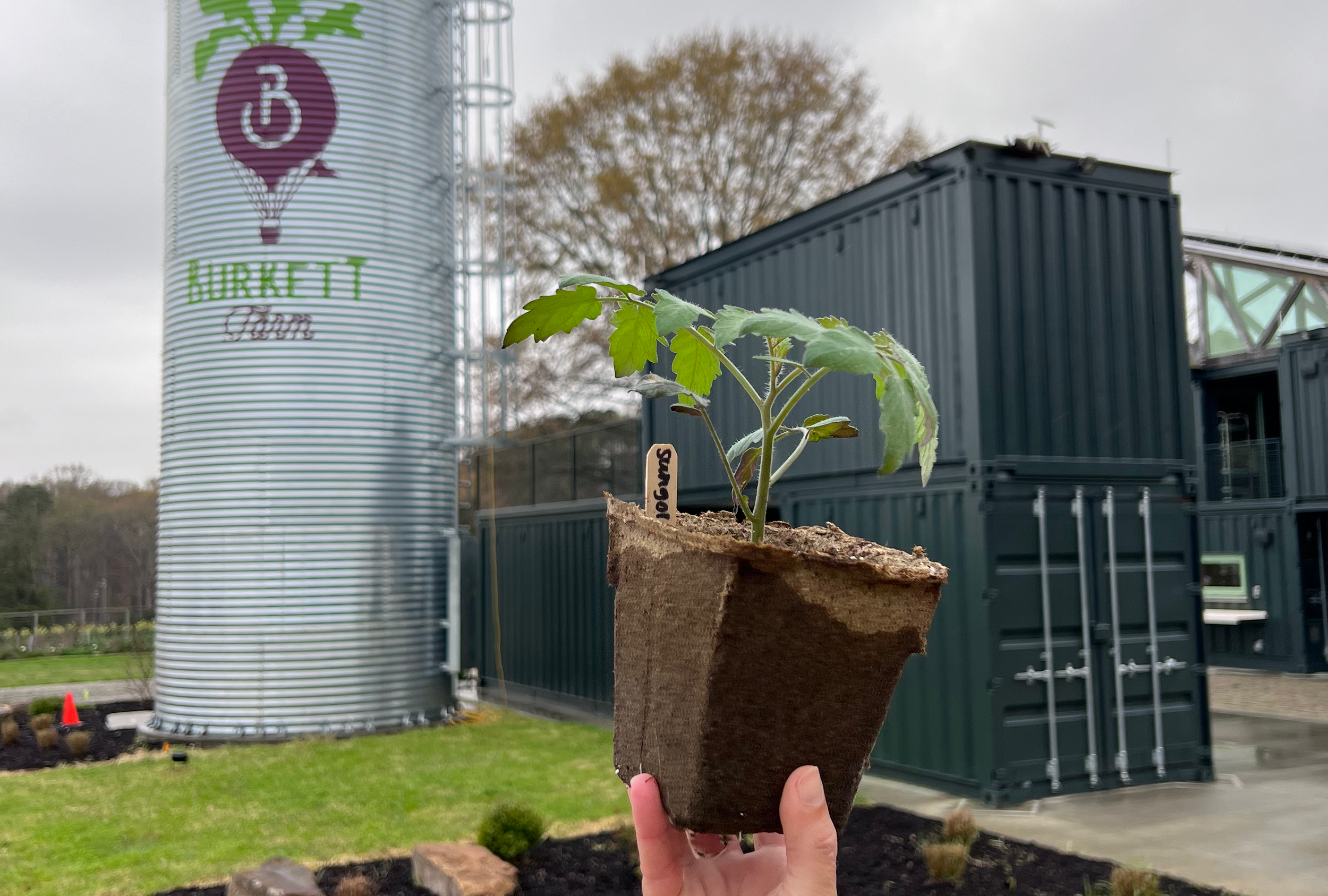
One of the most meaningful aspects of our work at Burkett Farm is introducing young people to the possibilities of sustainable agriculture. Through our field trip program, we see students arrive at our farm uncertain about what farming entails and leave with a clearer understanding of why local food systems matter, how they function, and what role they might play in shaping their future.
This spring, we're launching a new pilot program at Burkett Farm to accelerate that learning. The Resilient Food Systems Community Service Intensive is a four-day experience (March 30 to April 2) designed for high school juniors and seniors who want to get their hands dirty while exploring the intersection of sustainable agriculture, food security, and climate resilience. Students will participate, contribute, and build relationships with others who share their interests, and they'll see firsthand how farming and food connect to larger movements for environmental and social change. At our farm, our gardens are the classrooms: this experience will feature experiential learning, skill-building and projects that support a stronger community food system.
Why Food Systems
The way we grow, distribute, and access food is changing. Climate variability is making traditional growing seasons less predictable. Supply chain disruptions have exposed vulnerabilities in our industrial food system. And communities across the region are grappling with questions of food access and nutrition security.
But there's another story unfolding—one of farmers, advocates, and innovators who are building more resilient alternatives. Local, sustainable agriculture is one of the most effective entry points for creating systems that can adapt, endure, and nourish communities over the long term. This program is an invitation to see how that work happens.
What to Expect
Each day combines hands-on farm work with workshops, guest speakers, and collaborative project time. Students will start seeds, transplant seedlings, manage irrigation, harvest crops for donation to our community partners, and tend to compost systems. They'll learn about the climate-smart infrastructure that makes our farm work: solar energy systems, rainwater harvesting, wastewater management, and off-grid innovations that reduce our environmental footprint. They’ll learn about food safety while preparing meals for community fridges.
Beyond the practical skills, we'll explore bigger questions. How does food production connect to climate adaptation? What does food justice look like in practice? How do we communicate about these issues and advocate for change? Guest speakers from across the food systems field—farmers, nutritionists, climate adaptation specialists, community organizers—will share their insights and experiences.
Lunch will be prepared as a group using farm ingredients each day, because good food—grown with intention and shared in community—is part of the lesson too.
The program culminates in a collaborative impact project that students will design and complete by week's end, giving them a chance to apply what they've learned in a tangible way.
Who Should Apply
We're looking for students who are curious about environmental science, agriculture, food equity, and community resilience. Farming experience isn’t necessary—but a willingness to work hard, ask questions, and engage deeply with the material is essential.
This program requires physical work in all weather conditions, so applicants should be prepared to dress accordingly and be standing, walking, kneeling, and lifting for portions of the day. You'll need to attend all four days and have reliable transportation to get to and from the farm. In return, you'll earn 28 hours of community service credit and gain professional skills that extend far beyond the field.